Available
Apr '26


Feebris began as a small founding team building a machine learning–enabled clinical assessment application, initially piloted in India for paediatric respiratory contexts. When I first engaged with the founders, the product was functional but visually basic and structurally limited. Clinical logic existed, but journey clarity, pacing, and professional credibility required development.
My role began as UI refinement but expanded almost immediately into broader product design. As the company progressed into UK care homes, NHS-aligned virtual ward initiatives, and later US market discussions, I was engaged across multiple phases to support continued product evolution and consistency.
Each phase built on the previous one. Rather than redesigning from scratch, the work focused on strengthening foundations so the product could scale with the company.
Engaged as a Senior Product Designer, my role began with interface refinement and quickly expanded into broader product design support across multiple phases of growth.
I worked closely with the founders to translate clinical intent into structured user journeys and visual systems. Rather than treating each feature as a standalone task, I focused on establishing reusable patterns that could support future device integrations and new care contexts.
Prototyping was central to my approach. Interactive simulations were used to test journey pacing, device-state behaviour, and interpretation clarity before development. This reduced ambiguity, improved alignment, and allowed key decisions to be validated early.
Alongside experience design, I formalised visual foundations including colour systems, typographic hierarchy, spacing scale, and instructional illustration patterns aligned to medical expectations. These foundations strengthened professional credibility while improving usability for non-clinical staff operating under pressure.
Across engagements, my approach prioritised clarity, consistency, and long-term adaptability rather than short-term fixes.
The early experience relied on extended linear assessments built with default components. As new diagnostic tests and connected devices were introduced, maintaining clarity and consistency became critical.
I restructured assessments into staged, purposeful journeys grounded in product design principles. Hierarchy was clarified through disciplined use of colour, typography, spacing, and scale. Conditional logic supported flexible progression while preserving data integrity. Users could move through flows without fear of losing data, and state feedback was explicit and controlled.
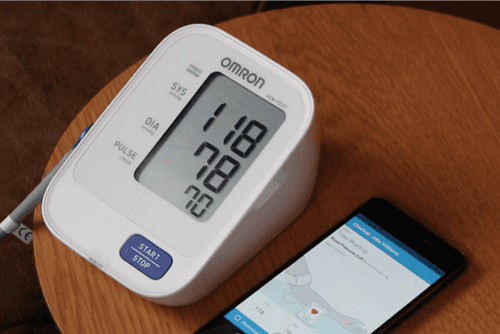
Connected device workflows required particular care. I designed pairing flows, reading states, and failure handling patterns that clearly distinguished between user-entered information, device-captured readings, and AI-supported interpretation. To support non-clinical staff, I created simplified instructional illustrations that aligned with medical expectations while establishing a consistent in-product brand language. These visual guides improved confidence when using diagnostic devices and following test protocols.
Alongside journey improvements, I formalised reusable patterns covering colour systems, typographic scale, interaction states, and visual language. This created a consistent design foundation that supported new features and device integrations without fragmenting the experience.
Prototyping played a central role in validating decisions. Interactive simulations were used to test pacing, device-state behaviour, and interpretation framing before development, reducing ambiguity and improving team alignment.
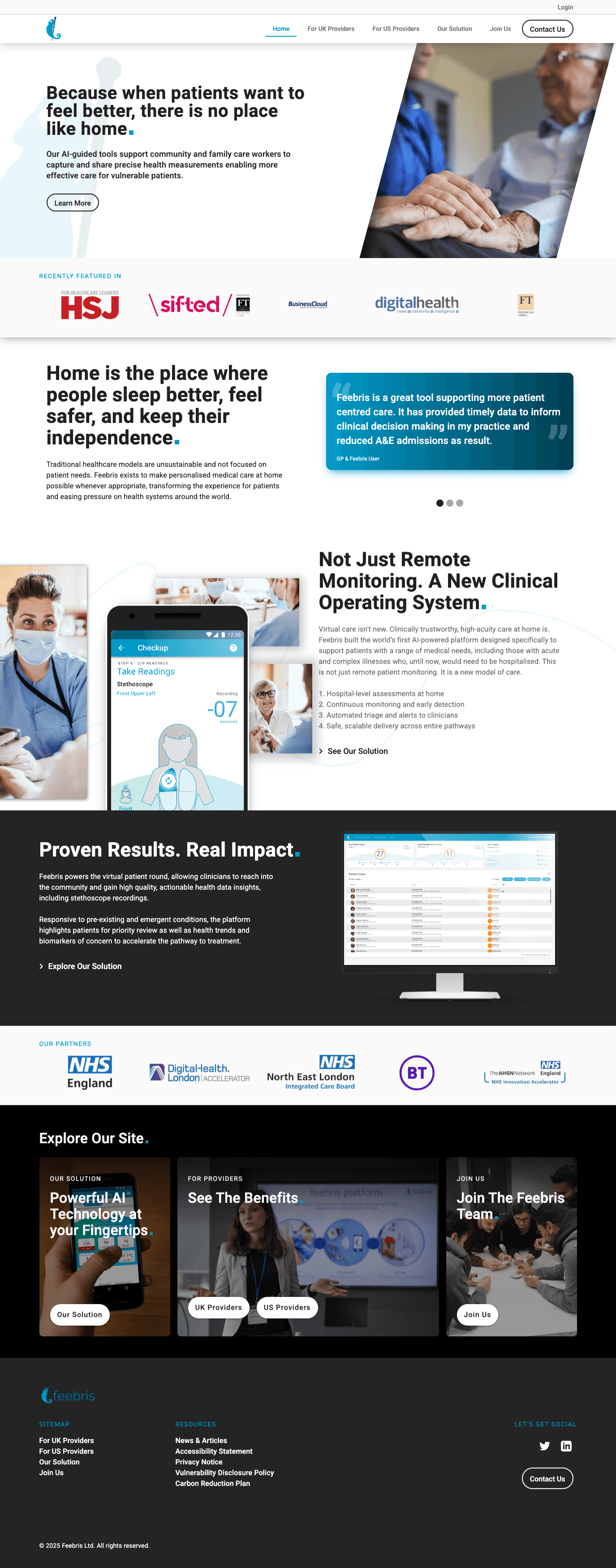
As the product expanded, I reviewed supporting web-based platform interfaces to ensure consistency with the mobile experience. In parallel, I designed and built a responsive commercial website in Webflow, strengthening the company’s professional presence and aligning brand expression across product and marketing as NHS and US opportunities developed.
Working closely with the founders required operating beyond execution.
I translated clinical reasoning into navigable user journeys that non-clinical users could complete confidently. I shaped how AI-supported outputs were framed visually and contextually to support interpretation without overstating certainty.
Trade-offs were continuous. Clinical completeness had to be balanced against cognitive load. Reassurance needed to coexist with efficiency. Rapid iteration required discipline to avoid inconsistency as the team grew.
By grounding decisions in structured product design principles and reusable patterns, the product expanded across devices, contexts, and markets without losing coherence.
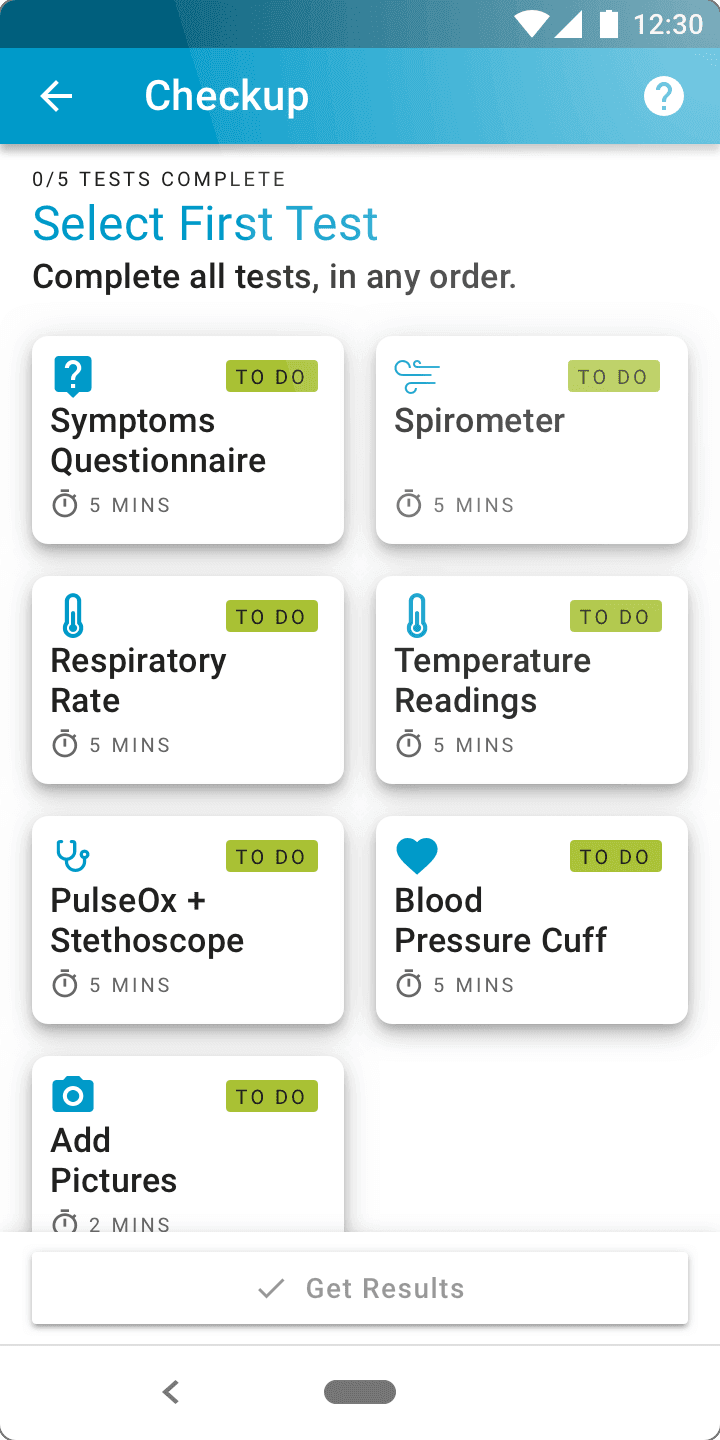
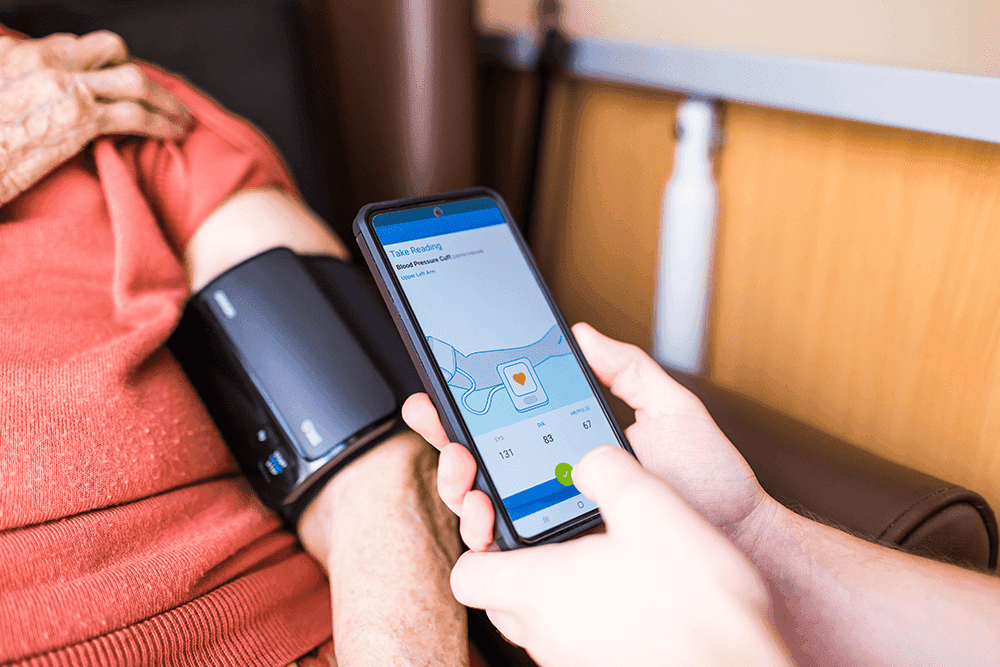

Early investment in structured journeys, disciplined visual systems, and consistent interaction patterns proved durable as Feebris scaled.
As the company moved from pilot work in India to UK care homes, NHS-aligned deployments, and international growth discussions, the product expanded from a stable foundation rather than being repeatedly rebuilt. New tests, connected devices, and care contexts were integrated into an established experience model.
My involvement evolved from interface refinement to sustained product design support across mobile experience, supporting web interfaces, and commercial brand presence at critical stages of company growth.
The result was a clinically credible product with a design foundation strong enough to support increasing complexity, institutional expectations, and real-world healthcare delivery without losing clarity or coherence.
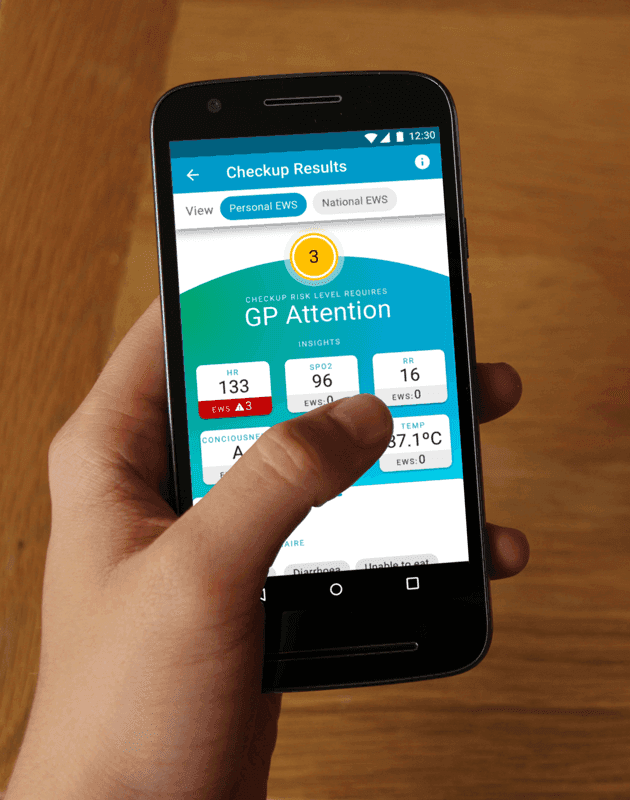
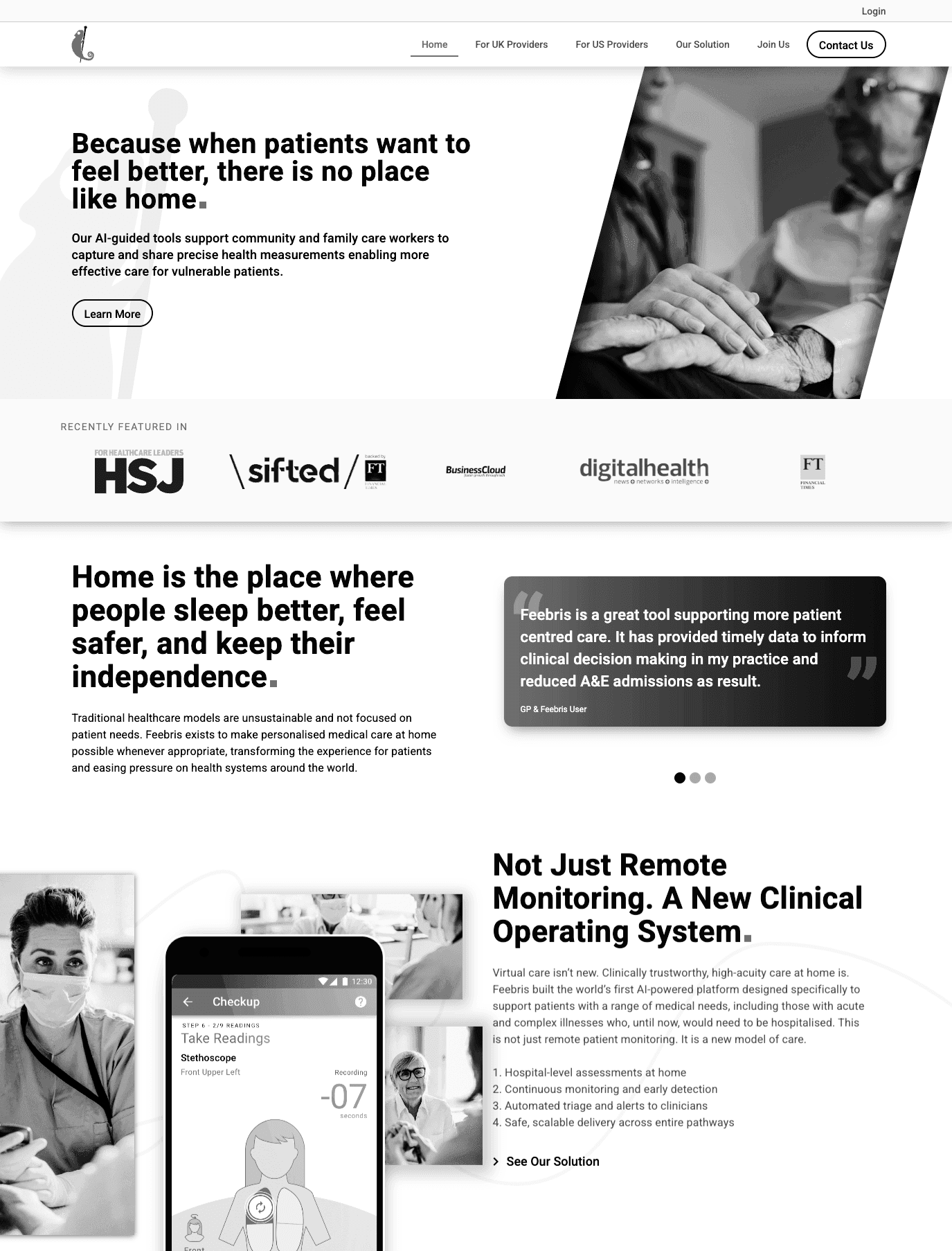

Discover Feebris, an AI-guided platform supporting community and family care workers to capture, interpret, and share health measurements with confidence.
Visit Feebris Website
opens in a new tab